Cowboy Couple Horse Riding SVG Review
As a designer who spends more time than I care to admit staring at stitch density charts and fabric swatches, I have learned that the difference between a good handmade product and a great one often comes down to the source file. It is not just about whether the design looks pretty on a screen; it is about how it translates when pushed through an embroidery machine. Today, I am putting Cowboy Couple Horse Riding SVG under the microscope. This piece falls squarely into the Crafts and Graphics categories, but for those of us in the embroidery world, it represents a specific opportunity: capturing a romantic western aesthetic with high-contrast line work.
The First Impression: Mood and Visual Personality
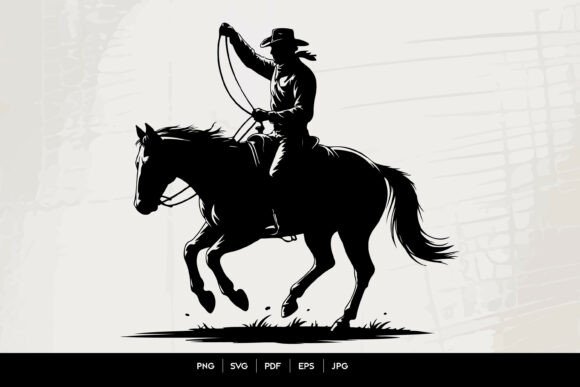
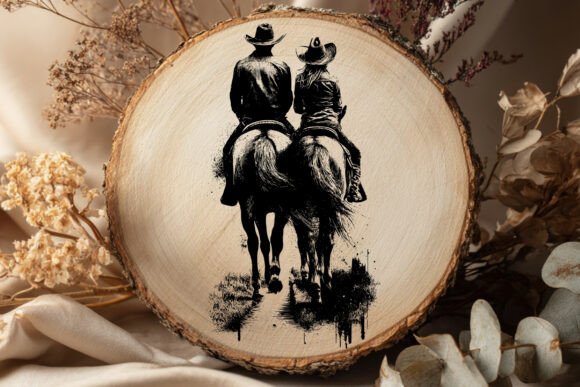
When you first load this design into your digitizing software or preview it on your monitor, the immediate takeaway is its bold vintage engraving style. There is a distinct "western" personality here that goes beyond cliché. The illustration features a cowboy couple on horseback, rendered in detailed, high-contrast line art. For an embroiderer, this is crucial. The strong outlines suggest that the design will hold its shape well, provided the underlying digitization respects the negative space.
The mood is undeniably romantic yet rugged. It evokes feelings of open ranges, sunset rides, and timeless partnership. This visual language makes it an excellent candidate for couples’ gifts, wedding memorabilia, or boutique apparel that aims for a rustic-chic vibe. Unlike overly intricate floral patterns that can become muddy when stitched, the clean lines of this embroidery file promise clarity. However, the "engraving" style means there is likely a significant amount of detail packed into the curves of the horses and the riders' silhouettes. This requires careful planning regarding thread choice and fabric background.
Real-World Application: Where Does This Design Shine?
I recently considered using this design for a custom order: a personalized leather-trimmed canvas tote bag for a couple celebrating their anniversary. The concept was simple—embroider the cowboy couple on the front panel, perhaps in a deep navy or black thread against natural canvas. Here is how I see this machine embroidery design performing in that scenario.
Custom Apparel and Sweatshirts: This is arguably the strongest use case. On a heavy cotton sweatshirt or a denim jacket, the high-contrast line art pops beautifully. The vintage feel complements the texture of the fabric, creating a cohesive look that feels intentional rather than mass-produced. It works particularly well as a chest pocket placement or a centered back design for a sweatshirt embroidery project.
Home Decor and Kitchen Textiles: I also envision this working exceptionally well on kitchen towels or tea towels. The vertical orientation of many couple-on-horseback compositions fits neatly within the dimensions of a standard dish towel. When stitched in earthy tones like rust, olive, or cream, it adds a warm, farmhouse touch to any kitchen. It is a perfect holiday embroidery gift for hosts who appreciate rustic decor.
Boutique Merchandise and Etsy Listings: For Etsy sellers and small shop product creators, this design offers versatility. It can be adapted for embroidered patches to sew onto backpacks or caps. It also serves as a strong foundation for a printable mockup strategy. Even if you are selling digital files, showing this design on a variety of products—from baby onesies (if scaled appropriately) to pillow covers—helps potential buyers visualize the end result. It enhances buyer engagement by tapping into the popular western trend without feeling dated.
Technical Considerations and Potential Pitfalls
While the artistic merit is high, a professional review must address the technical realities of stitching this specific type of line art. Not every surface is created equal, and some applications require caution.
- Fabric Texture and Stability: Avoid placing this design on highly textured fabrics like bouclé wool or thick terry cloth unless you are using a heavy-duty stabilizer. The fine lines of the engraving style may get lost in the weave of the fabric. Similarly, thin or stretchy knits can pucker if the stitch density is too high. Always test on scrap fabric first.
- Small Hoop Sizes: If you attempt to stitch this in a very small hoop, you risk losing the definition of the horses' legs or the riders' facial features. The design relies on clear separation between elements. If the details are too close together, they may merge into a dark blob during stitching. Check the hoop size requirements carefully before committing to a small item like a baby hat.
- Thread Color Contrast: Because this is a line-art design, contrast is everything. Stitching black lines on black fabric will result in a hidden design. Conversely, white thread on light pastel fabric might lack the punch needed to convey the "bold" nature of the engraving. Dark threads on light backgrounds, or metallic threads on dark denim, tend to yield the best results for this style.
- Curved Surfaces: While this design could technically go on a cap, the complexity of the horses might distort slightly over the curve of a baseball cap brim. It is safer to place this on flat surfaces like aprons, pillow covers, or the front panel of a structured tote bag.
Stitching Strategy and Material Selection
To get the most out of this digital embroidery file, consider the types of stitches involved. The outer contours will likely rely on satin stitches or dense fill stitches to create the solid black lines characteristic of engraving. Inside these lines, there may be running stitches or lighter fill patterns to add texture. Ensure your stabilizer matches the weight of your fabric; a cut-away stabilizer is generally recommended for woven fabrics used in apparel, while tear-away might suffice for temporary projects like paper-backed applique.
Another critical step is to inspect the design in black and white mode within your software. Sometimes, color masks can hide overlapping elements. By viewing it in grayscale, you can identify areas where the digitizer may have placed stitches too densely, which could cause needle breaks or thread tension issues. Also, verify whether the design includes any delicate decorative accents that might snag easily on rough materials like burlap or raw denim.
Commercial Viability and Licensing
For those looking to turn this into a craft business asset, it is vital to distinguish between personal use and commercial rights. Many designers purchase files for commercial embroidery purposes, meaning they intend to sell the finished physical goods. Before listing this on your Etsy store or handmade shop, confirm the licensing terms. Does the license allow for unlimited sales of finished products? Are there restrictions on the number of items you can produce?
If you are reselling the digital file itself, ensure you have the correct redistribution rights. Most standard licenses prohibit selling the raw file but permit selling the finished product. Understanding this distinction protects your brand reputation and avoids legal pitfalls. A clear understanding of these terms builds customer trust and ensures your handmade product line remains sustainable.
Final Verdict
The Cowboy Couple Horse Riding SVG is a versatile, visually striking design that bridges the gap between traditional western aesthetics and modern embroidery trends. Its bold line work ensures it stands out on a wide range of textiles, from soft cottons to sturdy canvases. Whether you are creating a personalized gift for a loved one or developing a new line of custom apparel for your boutique, this design offers a strong foundation.
However, success lies in the execution. Pay attention to fabric choice, thread contrast, and hoop stability. Test thoroughly, respect the details, and let the vintage charm of the artwork speak for itself. When done correctly, this design transforms a simple piece of fabric into a memorable keepsake that captures the spirit of the west.