Cowboy in Training Svg Review
When I scroll through new digital assets for my embroidery studio, I am looking for more than just a cute image. I need to see potential. I need to visualize the stitch path, the thread tension, and the final texture on fabric. That is exactly how I approached Cowboy in Training Svg, Cowboy. As an experienced designer who frequently creates custom apparel and handmade products for small business owners and Etsy sellers, I treat every new file as a test case before adding it to my commercial library.
This review breaks down how this specific design performs in real-world embroidery scenarios. Whether you are making personalized gifts, preparing inventory for a craft fair, or building a boutique brand, understanding the practical application of a design is crucial. Here is my honest evaluation of Cowboy in Training Svg, Cowboy based on its visual personality, stitching feasibility, and market appeal.
First Impressions and Visual Personality
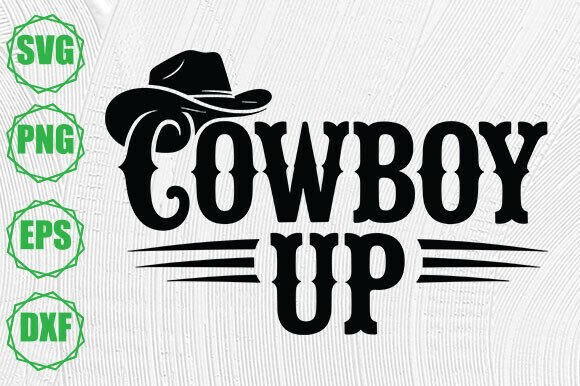
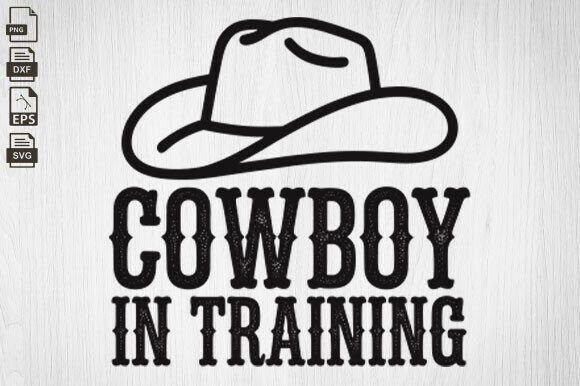
The moment I loaded the files into my digitizing software, the theme was clear. The title Cowboy in Training Svg, Cowboy suggests a playful, nostalgic, and slightly rustic mood. It does not feel like a heavy, aggressive western piece; instead, it leans into the charm of childhood imagination. This makes it incredibly versatile for a wide range of audiences.
Visually, the layout appears balanced. For an embroidery project, balance is everything. If the negative space is too cluttered, the machine can struggle with thread breaks. If the shapes are too thin, they may pucker after washing. From what I can see in the vector preview, the main elements have enough substance to hold a good fill stitch, while any finer details likely rely on clean satin or running stitches. This combination usually results in a professional-looking finished product that feels substantial rather than flimsy.
The "training" aspect adds a narrative layer. It tells a story. When a customer buys a handmade item featuring this design, they are buying into a concept—growth, learning, and fun. This emotional connection is what drives sales in the crafts and graphics niches. It transforms a simple piece of fabric into a keepsake.
Real-World Application: Where This Design Shines
In my experience, certain designs scream for specific products. Cowboy in Training Svg, Cowboy has a natural home in several categories. Let’s look at how it would perform in actual production.
- Custom Apparel and Sweatshirts: This design works beautifully on heavyweight cotton sweatshirts or hoodies. The ruggedness of the fabric complements the western theme. I imagine this on a toddler’s oversized hoodie or a child’s denim jacket. The contrast between soft fleece and structured embroidery adds a premium tactile quality that customers love.
- Baby and Nursery Items: Because the theme is "in training," it fits perfectly with baby milestones. A onesie, a burp cloth, or a crib sheet with this motif feels personal and thoughtful. It serves as a great personalized gift for baby showers. The playful nature of the design ensures it doesn’t look too masculine or harsh, keeping it gender-neutral and appealing to all parents.
- Tote Bags and Aprons: Canvas tote bags are a staple for the Etsy seller and the small shop product creator. Embroidering this onto a canvas bag gives it a durable, utilitarian vibe. Similarly, on a kitchen apron, it adds a touch of farmhouse charm. These items are often used daily, so the design needs to withstand wear. Assuming proper stabilization, this file should hold up well.
- Holiday and Seasonal Gifts: Western themes often tie into holidays like Christmas (think Santa’s little helper) or Father’s Day. Having a design like Cowboy in Training Svg, Cowboy in your rotation allows you to pivot quickly to seasonal marketing. It is a smart move for commercial embroidery businesses looking to maximize their asset library.
Technical Considerations and Stitching Challenges
No design is perfect out of the box. As a reviewer, I must highlight where caution is needed. Even if the vector looks clean, the translation to thread can reveal hidden issues.
Small Hoop Sizes: If you plan to use this on small items like caps or hats, be mindful of the hoop size. Complex backgrounds or excessive text can crowd the design when scaled down. Always check the bounding box of the file to ensure it fits your target garment without hitting the edges of the hoop.
Stitch Density and Fabric Texture: High-density fills can make fabric stiff. On thin fabrics or stretchy knits, this can lead to puckering. Before committing to a large run of custom apparel, test the design on scrap fabric that matches your final material. Use a proper stabilizer—cut-away for knits and tear-away for wovens—to maintain integrity. If the design includes fine lines, inspect them closely. Thin satin stitches can look jagged if the thread tension is off.
Thread Color Contrast: The visual impact of this design relies heavily on color choice. On dark fabrics, light threads will pop, but you may need underlay stitches to prevent the fabric from showing through. On light fabrics, darker threads provide definition. I recommend creating a printable mockup in black and white first to judge the contrast levels without the distraction of color.
Detailed Corners and Lettering: If the design includes small text or intricate details, these are the first areas to fray or lose clarity after multiple washes. Ensure that any lettering is bold enough to remain legible. Avoid placing detailed corners on curved surfaces like baseball caps unless you are using a specialized cap hoop and have tested the curvature extensively.
Impact on Brand Value and Customer Trust
For the creative entrepreneur and the handmade product maker, presentation is key. A well-executed embroidery job signals professionalism. When a buyer receives a finished product with clean stitches, no loose threads, and accurate registration, their trust in your brand increases. They are more likely to leave a positive review and return for future purchases.
Using a design like Cowboy in Training Svg, Cowboy helps establish a consistent aesthetic. If your shop focuses on rustic, playful, or family-oriented themes, this file reinforces that identity. It helps with brand consistency across different product lines, whether you are selling embroidered patches, tote bag designs, or sweatshirt embroidery.
Furthermore, the versatility of this design allows for cross-selling. You can offer the same design on a bib, a hat, and a wall hanging, creating a cohesive gift set. This strategy boosts average order value and provides a better experience for the customer who is looking for matching items.
Practical Designer Notes for Implementation
Before you start mass-producing items with this file, follow these steps to ensure quality:
- Test on Scrap Fabric: Never skip this step. It saves time and money by revealing tension or density issues early.
- Check Licensing: Confirm whether the digital embroidery file allows for commercial use. If you are selling finished goods, you need the right to do so. Check the terms provided with the download.
- Review Stabilizer Needs: Different fabrics require different supports. Heavy denim needs strong backing; delicate cotton needs gentle support.
- Inspect Small Details: Zoom in on the vector. Are there any overlapping paths that might cause the machine to jump unnecessarily? Clean up any unnecessary nodes if your software allows.
- Compare Backgrounds: Test the design on both light and dark fabrics to ensure it reads well in all contexts.
Final Verdict
Cowboy in Training Svg, Cowboy is a solid addition to any embroidery designer’s toolkit. It balances charm with technical feasibility, making it suitable for a variety of embroidery projects. Its playful theme appeals to parents, gift-givers, and fans of western aesthetics. While it requires standard precautions regarding stitch density and fabric choice, its potential for creating high-quality handmade products is significant.
For the small business owner looking to expand their catalog with items that evoke warmth and nostalgia, this design delivers. It is not just a graphic; it is a foundation for creating memorable, wearable art. Just remember to test thoroughly, choose your materials wisely, and let the quality of your stitching speak for itself.